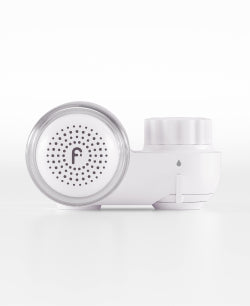
The renter's guide to better shower water.
Every thread about water and skin ends the same way: get a whole-house system. Then someone mentions they rent, and the thread goes quiet. This is the part nobody writes for you.
 Written by Filterbaby EditorialWater & Skin Research Team
Reviewed by Filterbaby Dermatology Advisory BoardBoard-certified dermatologists
Written by Filterbaby EditorialWater & Skin Research Team
Reviewed by Filterbaby Dermatology Advisory BoardBoard-certified dermatologists
Install your Filterbaby in 3 easy steps
No plumber · installs in about 3 minutes
The whole install. Filterbaby threads onto the shower arm you already have, so there is nothing to drill and nothing to undo when you move. See the full install guide.
- 01 Take off your current showerhead, using the tool included in your kit.
- 02 Twist on your new Filterbaby until snug. It takes about ten seconds.
- 03 Put your existing showerhead back on, and that is it.


If you have ever looked into why your skin or hair reacts to tap water, you have seen the standard advice, and you have probably seen where it leaves you. It is written for homeowners. Renters are half the conversation and almost none of the answers.
The advice that ignores renters
Search for why tap water bothers your skin and you land on the same recommendation every time: install a whole-house filtration system. It is fine advice if you own the house. If you rent, it is a wall. You cannot re-plumb a unit you do not own, most leases do not allow it, and most landlords are not going to sign off on cutting into the main line. So the threads move on, and a very large group of people, renters, get left without a real answer.
Why whole-house is not your option
A whole-house system installs where water enters the building, which means cutting into the main supply line. That is permanent plumbing work, on the landlord's pipe, not yours. Even if you were willing to pay for it, you would be upgrading a property you are going to leave, and you cannot take it with you. For a renter it is the wrong tool for three reasons at once: permission, cost, and portability.
What a point-of-use filter actually changes
A point-of-useA filter that treats the water at one tap, rather than for the whole building. filter treats the water at a single tap instead of the entire building. For skin and hair, the tap that matters most is the shower, because it runs over all of you for several minutes a day. A shower filter sits between your existing pipe and your showerhead and reduces the free chlorine and chloramine in that water before it reaches you.
It will not treat your kitchen sink or your laundry, and it is not a whole-house system in disguise. But the exposure people actually notice on their skin and hair is the shower, and that is exactly what it addresses. Filterbaby is designed to reduce up to 99% of chlorine, chloramineChlorine combined with a little ammonia. It lasts longer in the pipes and is harder to filter than plain chlorine., and microplastics.
Three minutes, no plumber, no landlord
Here is the entire install, start to finish:
The kit includes the one tool you need, so there are no holes in the wall, no plumber, and nothing your landlord needs to know about. If you can change a lightbulb, you can do this. There is nothing to undo later, because you are not modifying anything. You are adding one piece in line with hardware that already unscrews.
- Take off your current showerhead. Use the tool included in your kit. It threads off the shower arm. Set it aside.
- Twist on your new Filterbaby until snug. It threads onto the shower arm and takes about ten seconds.
- Put your existing showerhead back on, onto the filter. Turn the water on and check for drips. That is it.
How to take it with you when you move
Because it screws on, it screws off. When your lease ends, unthread the filter, put your original showerhead back, and the bathroom looks exactly as it did the day you moved in. The filter goes in a box and installs in your next place in another three minutes.
That is the quiet advantage renters never hear about: you are not leaving an upgrade behind for the next tenant or the landlord. It is yours, and it moves with you.
You cannot re-plumb a place you do not own, and you should not have to. A shower filter gives renters the one thing whole-house advice never does: a fix that installs in about three minutes, leaves no trace, and comes with you when you go.
What Filterbaby reduces from your shower water
Before it reaches your skin and hair
(up to)
reduction (up to)
filtered (up to)
Certified
IAPMO Certified to NSF/ANSI 177 standards. Tested reduction performance in lab-certified conditions; plus or minus 6% efficacy fluctuation. When used and replaced as directed. A shower filter does not soften water.
Which Filterbaby is right for you
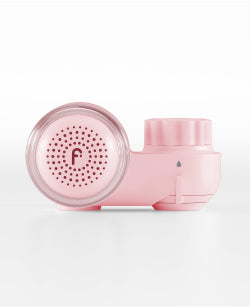
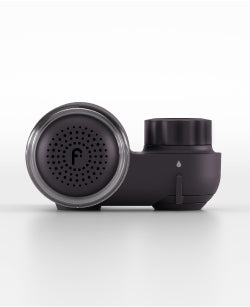
3 configurations, same filtration standard.


Frequently asked questions
Can I use a shower filter if I rent?
Do I need a plumber to install it?
Will it damage the shower or break my lease?
Is a shower filter as good as a whole-house system?
Which Filterbaby is best for a rental?
References
NSF/ANSI Standard 177 is the American National Standard for shower filtration systems that reduce free available chlorine.
U.S. EPA on chlorine and chloramine disinfection in drinking water.
Filterbaby Pro Series and Diamond Series shower filters are IAPMO Certified to NSF/ANSI 177 standards and designed to reduce up to 99% of chlorine, chloramine, and microplastics; plus or minus 6% efficacy fluctuation from lab-certified testing, when used and replaced as directed. A shower filter does not soften water. This page is an educational reference; it is not medical advice.
Keep reading
- Are shower filters a scam? An honest answerWhat the skeptics get right, what they get wrong, and how to tell a real filter from marketing.
- How to choose a shower filter: 7 things that actually matterThe checklist for picking one that holds up, from the media inside to third-party testing.
- Chlorine vs. chloramine: what's actually in your shower waterThe two disinfectants U.S. cities use, and why the difference matters for your skin and hair.